
How to choose travel safety gear without treating it as armor
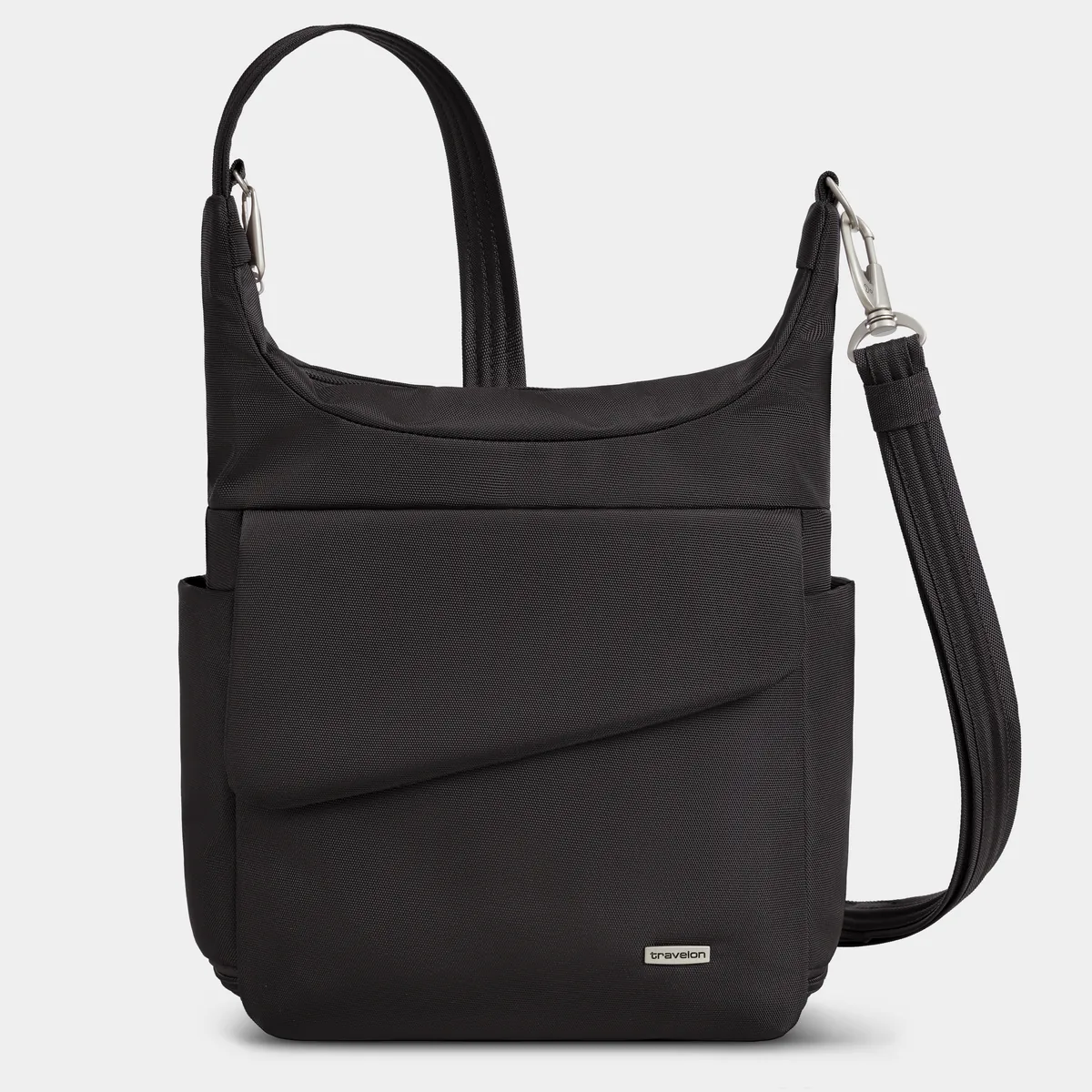
Start with habits, then add tools. A slash-resistant bag is useful in a crowd if you wear it where you can feel it. It does not replace split storage for a passport, a backup card, and copies stored somewhere else. RFID-blocking is a narrow claim about certain contactless chips; it does not stop a stolen wallet or a dynamic currency conversion prompt you approve.
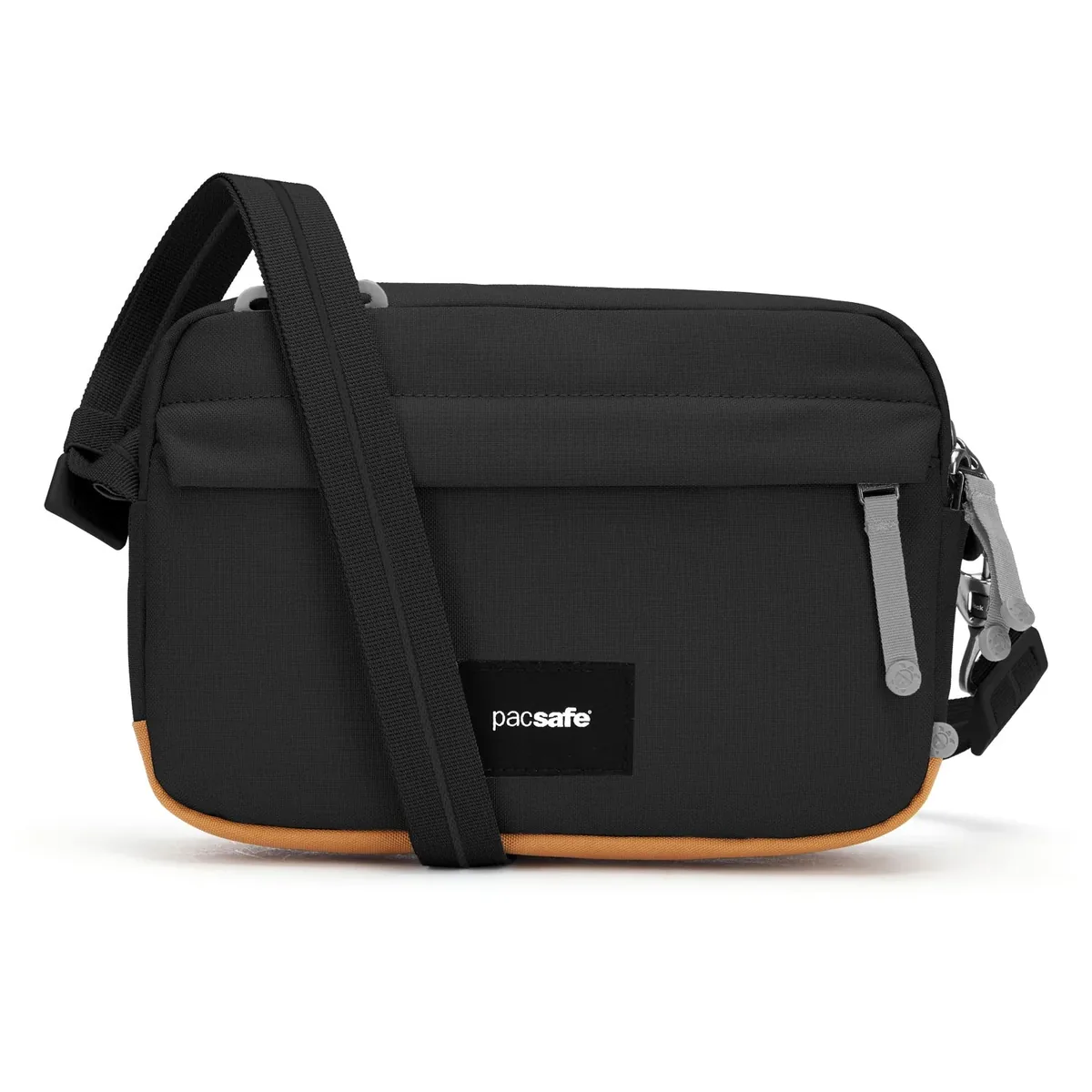
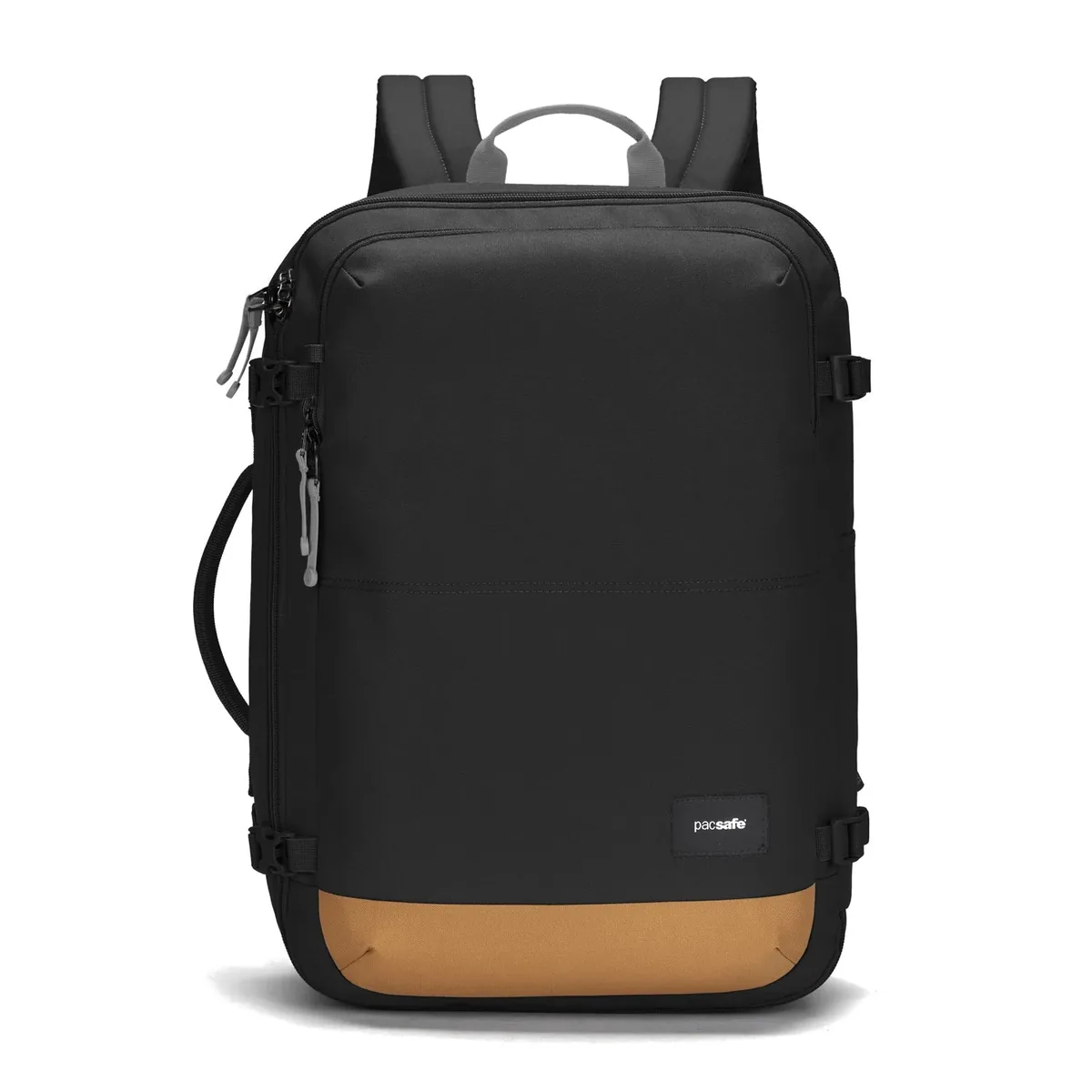
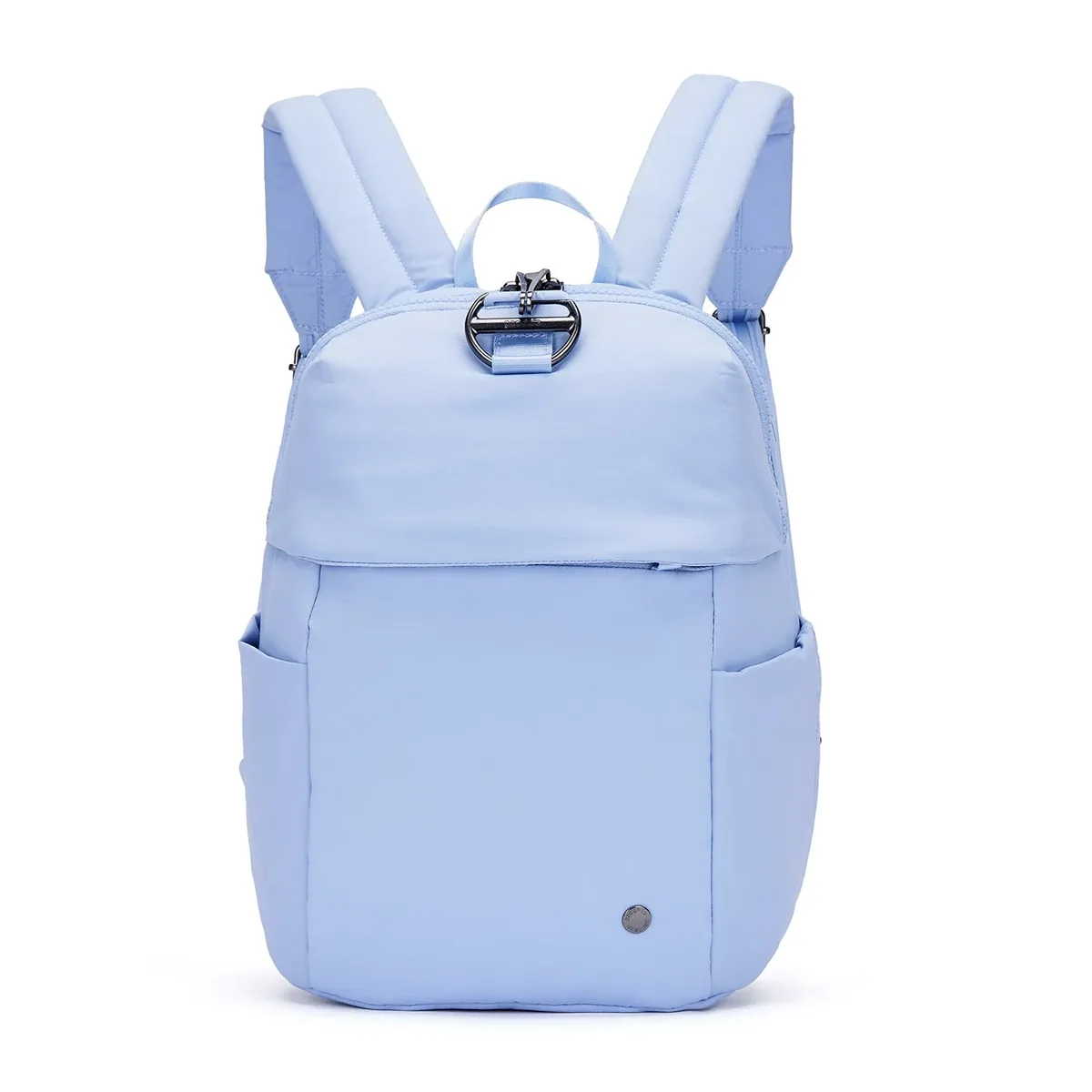
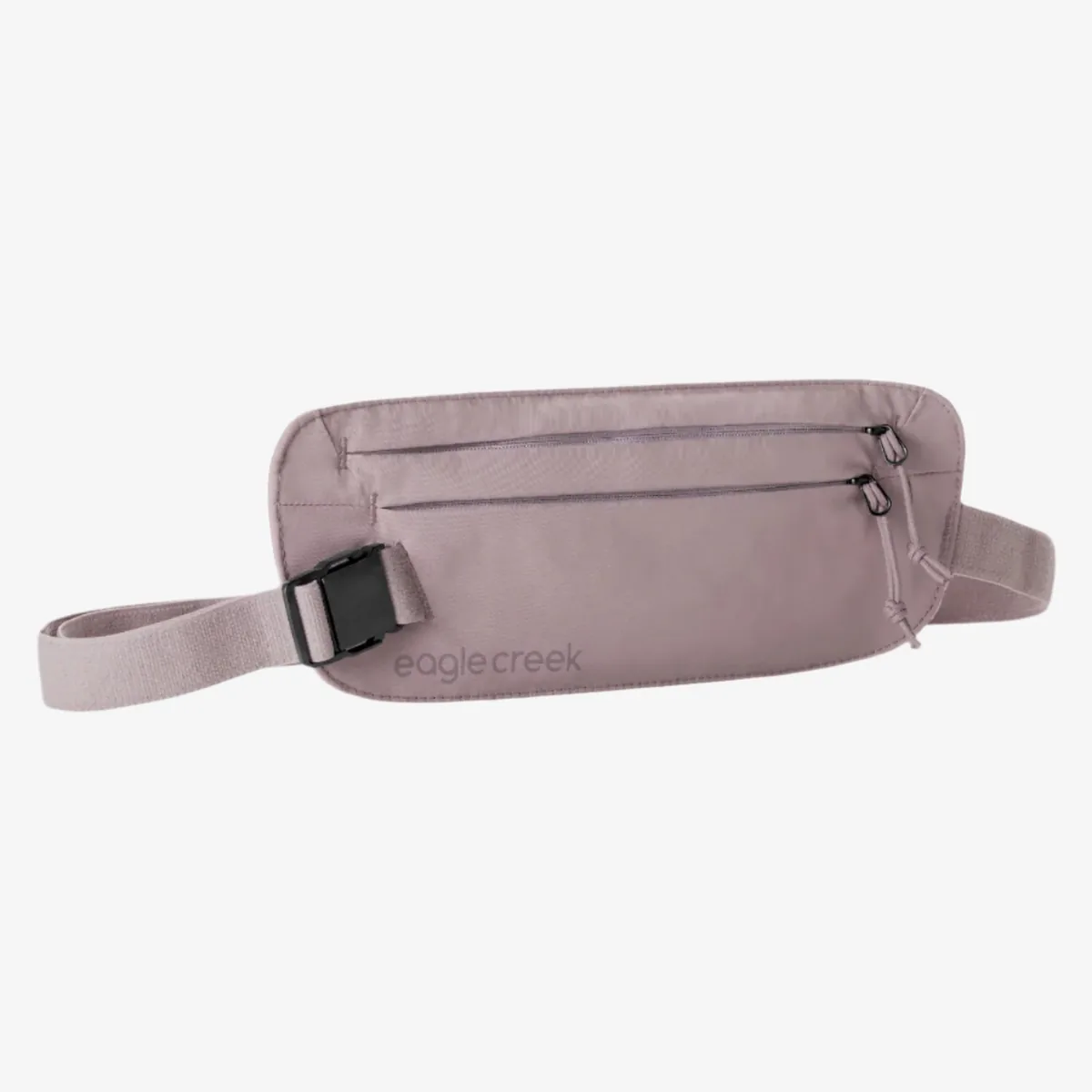
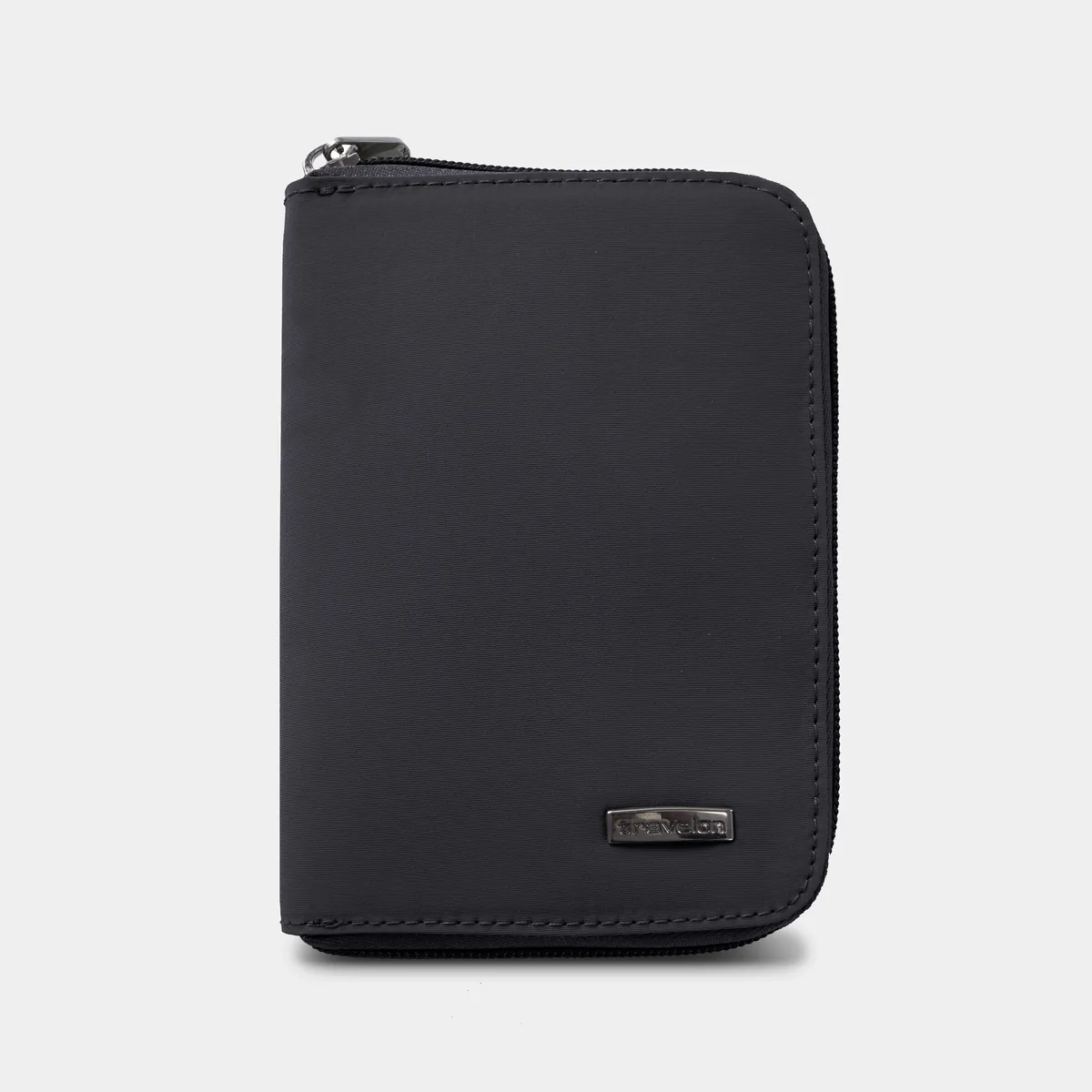
Choose capacity for the day you will actually have. A 2.5-liter crossbody and a 34-liter carry-on are different jobs. A petite 8-liter pack sits in the middle. A money belt or a passport wallet is for the items you are not juggling at a ticket machine.
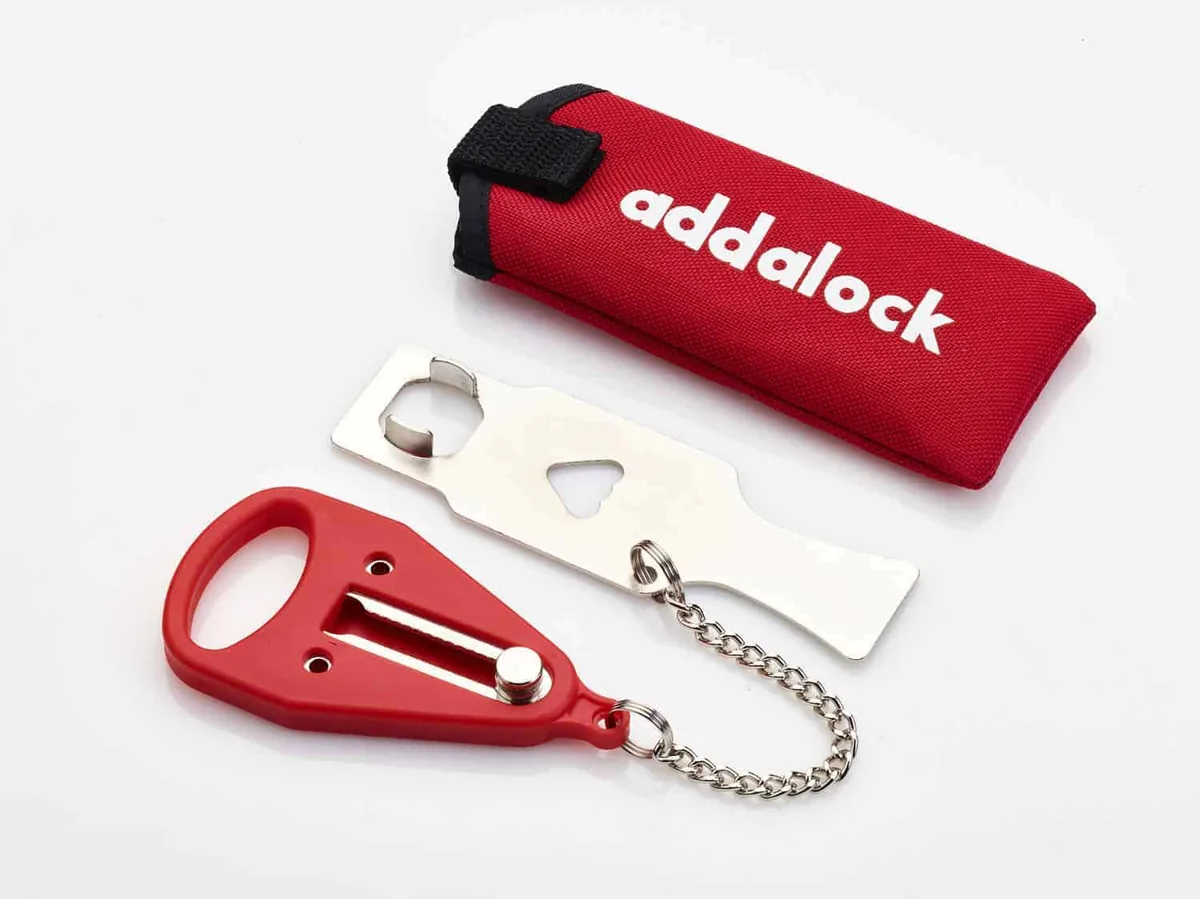
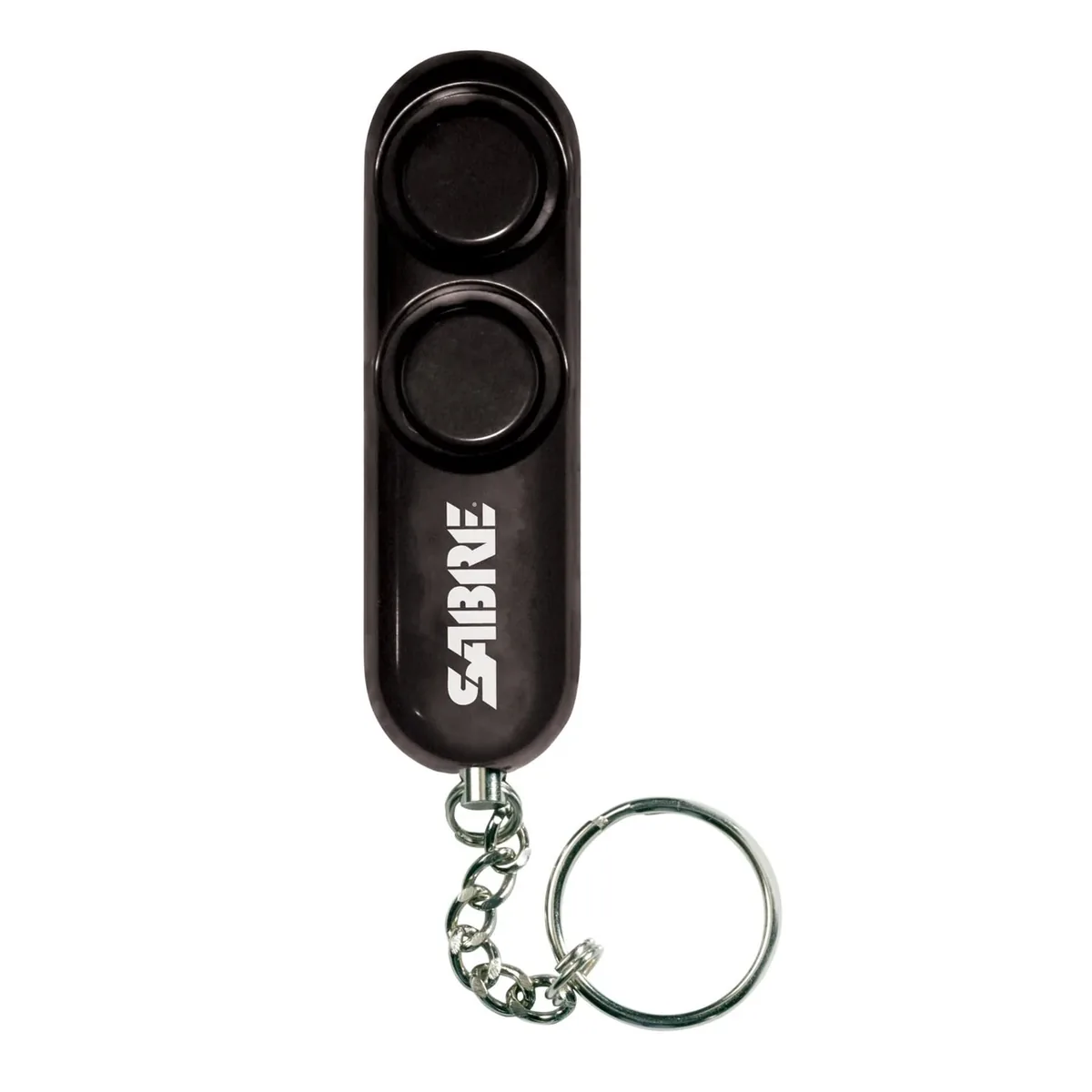
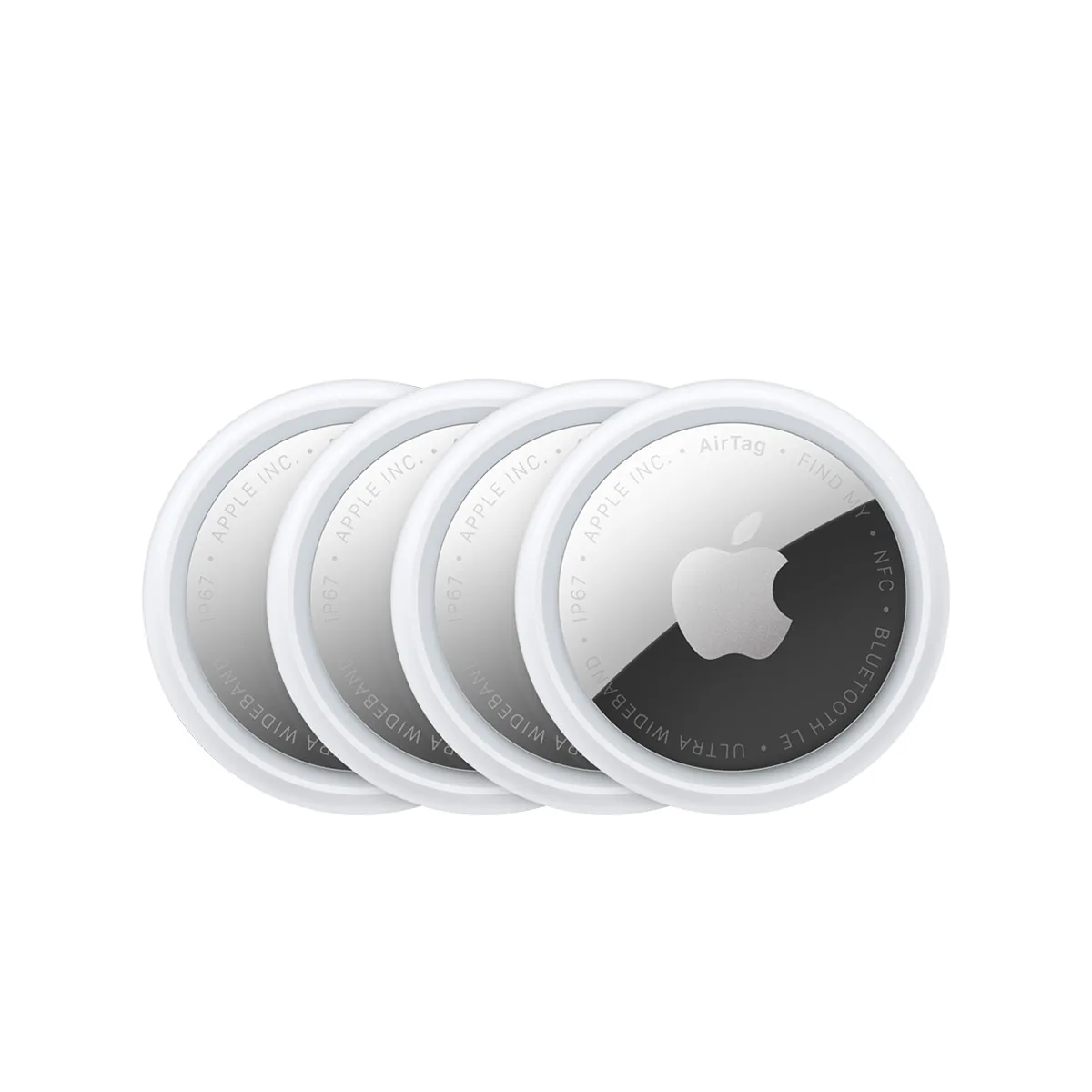
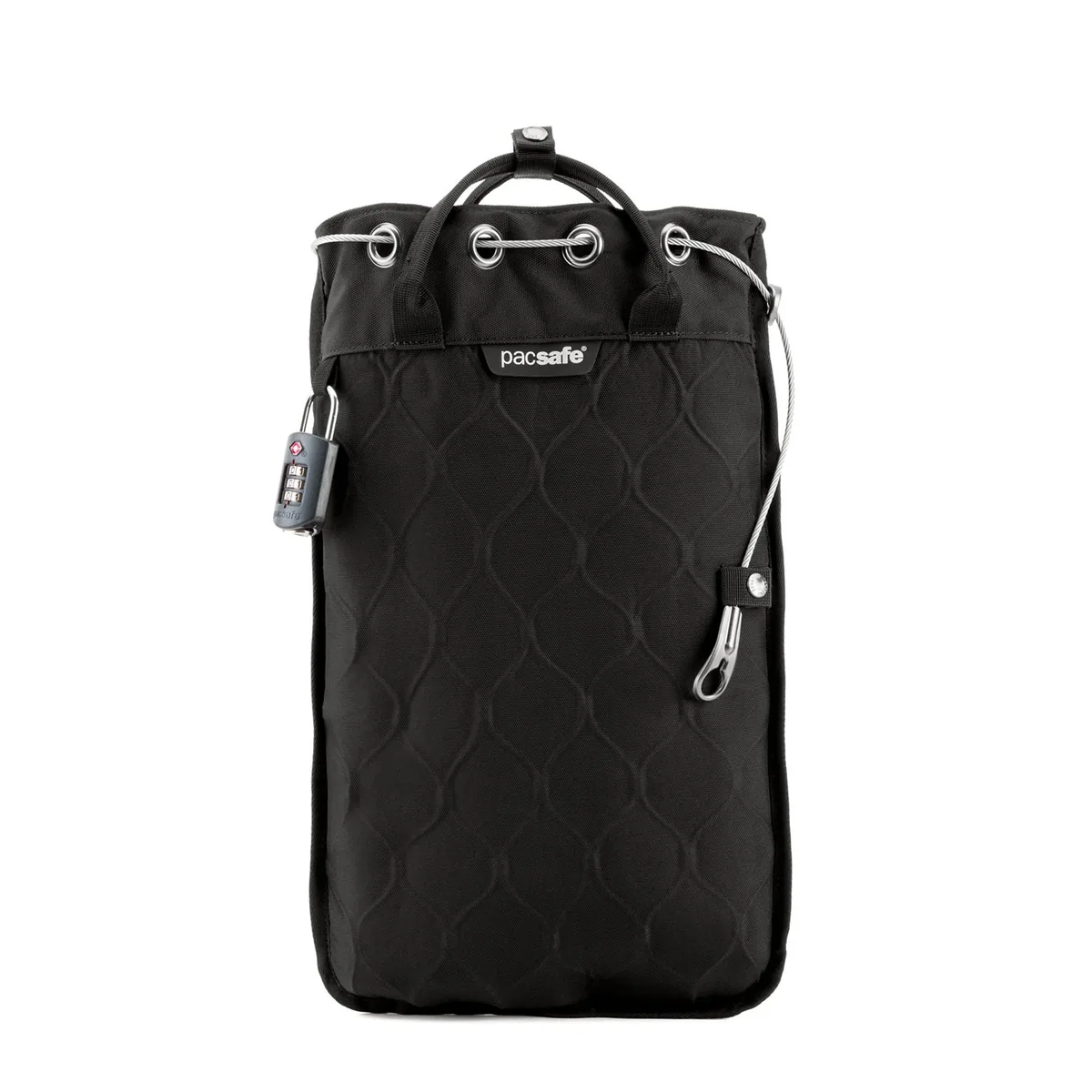
In a room, a portable lock only fits inward-opening hinged doors, and a travel safe only helps if you anchor it as directed. Neither one verifies that the lodging is real — do that first, in verifying tours, hotels, and attractions. A personal alarm and a tracker are last-resort or recovery tools, not a plan for street distraction thefts or a stolen phone.
The ten items above are researched examples of products that are currently sold, with specifications we could check. They are not a claim that we lab-tested slash resistance, and they are not a guarantee against theft.